 Sell on Jumia


 Filter

 Brand

Weight of 12v 10ah lifepo4 battery
(58 products found)


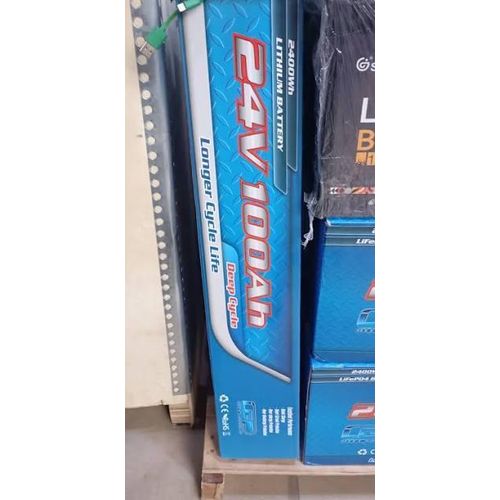

-

-
 Previous Page
- 1
- 2
- 1
- /2
-
Next Page
-
 Filter

Frequently Asked Questions About weight of 12v 10ah lifepo4 battery
How do I choose the right LiFePO4 battery for my setup, especially when considering the weight of a 12V 10Ah LiFePO4 battery?
Start by matching your energy needs with the battery's usable energy and treat weight as a portability constraint. Calculate required energy in watt-hours (for a 12V system, Wh = 12 × Ah) to estimate size and weight. Compare energy density (Wh per kilogram) across brands; LiFePO4 packs typically offer higher energy density than lead-acid, but designs vary, affecting weight. Consider the mounting space, weight limits, and brand reliability; for example, JoyKoo offers 100Ah LiFePO4 packs designed for solar and inverter setups that illustrate how capacity and weight trade off in real-world products.
What factors most affect the weight of a 12V 10Ah LiFePO4 battery, and how should I compare weights when evaluating brands like JoyKoo?
The weight is driven primarily by cell density, the total number of cells, the enclosure, and the built‑in Battery Management System. Adding capacity means more cells and a heavier pack, even for LiFePO4, while a slimmer enclosure and lighter hardware can reduce weight without sacrificing safety. Look at energy density (Wh/kg) and weight per Ah, not just total weight, and check variations across brands and pack designs such as those from JoyKoo in their solar‑focused lines.
Should a beginner prioritize lighter weight or higher capacity, and how does that choice differ for a pro or for road‑trip use versus a stationary solar setup?
Beginner users typically benefit from a lighter, more portable 12V LiFePO4 option to simplify handling and installation. Pros or campers planning longer runs or larger off‑grid systems may accept a heavier, higher‑capacity pack if it delivers the needed runtime. In road trips, portability wins; for a fixed installation, prioritize capacity and longevity while balancing weight.
What mounting, maintenance, and compatibility tips should I follow for a 12V LiFePO4 battery, given its weight and form factor?
Install the battery in a sturdy enclosure or rack that supports its weight and provides ventilation if required. Use compatible connectors and cables rated for the expected current, and keep the Battery Management System accessible for monitoring. Clean with a dry or slightly damp cloth; avoid harsh cleaners, and verify compliance with safety standards such as UN 38.3 and CE. Proper mounting and weight awareness help prevent damage and ensure safe operation.
When comparing JoyKoo 100Ah LiFePO4 packs for solar or inverter setups, what weight‑related specs should I check to relate them to a 12V 10Ah target?
Check the pack’s weight, weight per Ah (or Wh/kg), and the overall dimensions to ensure it fits your enclosure and handling requirements. Note that a 100Ah pack is much heavier overall, but energy density can be similar across brands, so compare Wh/kg rather than only total weight. Also review the packaging and BMS features, since these influence protection and reliability in real‑world use.
What common weight‑related mistakes should shoppers avoid when buying a 12V LiFePO4 battery?
Avoid assuming heavier means longer life or more robust performance; verify energy density (Wh/kg) instead. Don’t overlook compatibility with your charger, inverter, and mounting setup; weight must be manageable in your installation. Don’t rely on a single spec like total weight—consider dimensions, weight distribution, and the presence of a reliable Battery Management System for safety and longevity.
 back to top