 Sell on Jumia


 Filter

 Brand

Psychology of wealth and money book
(1002 products found)




-

-
 Previous Page
- 1
- 2
- 3
- 1
- /26
-
Next Page
-
 Filter

Frequently Asked Questions About psychology of wealth and money book
How do I choose the right psychology of wealth and money book for me?
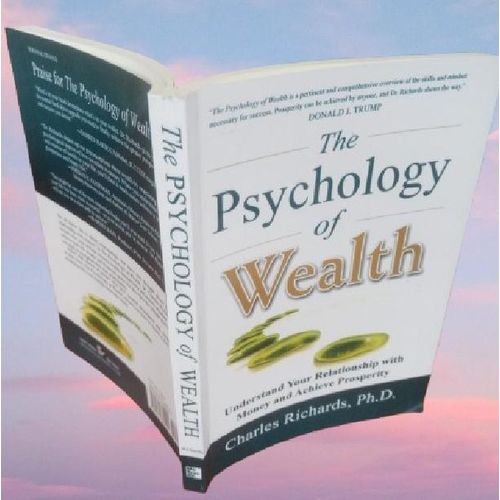
Choose the book that matches your goal: if you want practical, behavior-focused lessons on money, start with The Psychology of Money by Morgan Housel; if you want a deeper look at your money mindset and steps toward prosperity, go with The Psychology of Wealth by Charles Richards. Consider the book’s emphasis—money habits and decision-making versus your personal relationship with money and wealth—along with readability and length to fit your reading pace. These two titles are the core options in this listing, each offering a distinct angle on wealth and psychology. Both are evergreen picks that pair well with reflection and journaling, regardless of your level of prior finance knowledge.
What is the most complex attribute in these psychology of wealth and money books, and how does it help you choose?
The most complex attribute is how narratives about money shape your financial decisions and outcomes. Morgan Housel highlights behavioral surprises, humility, and long-term thinking, showing that wealth isn’t just about numbers but the stories we tell ourselves. Charles Richards frames money as a relationship you actively nurture, offering concrete steps to align feelings with prosperity. Understanding this distinction helps you decide: seek behavioral insights for everyday money choices, or pursue a relationship-focused guide that maps a path to sustained wealth.
Which book is better for beginners versus more advanced readers when exploring the psychology of wealth and money?
Beginners will benefit from The Psychology of Money for clear, timeless lessons about money behavior and common biases. More experienced readers or those aiming to build a prosperity mindset may prefer The Psychology of Wealth for its deeper focus on money identity and practical prosperity strategies. If you’re unsure, starting with the Housel title and then exploring Richards’ approach can provide a well-rounded foundation. These two works sit at the core of this listing and complement each other nicely.
What practical steps help me get the most out of a psychology of wealth and money book listing?
Set a reading plan and take structured notes to capture core frameworks. Highlight key concepts such as long-term thinking, money narratives, and prosperity strategies, then translate them into a personal money philosophy. Pair your reading with a journaling routine and small experiments in budgeting or saving to test the ideas in real life. This listing features two central works—The Psychology of Money and The Psychology of Wealth—so you can compare approaches and apply what resonates.
Are these psychology of wealth and money books compatible with other resources or series I’m using?
Yes, these titles complement broader personal-finance materials by offering psychology-centered perspectives. They fit well with budgeting guides, investment primers, and self-improvement reads, expanding your understanding of wealth beyond just numbers. In this listing you’ll find two core works—the Psychology of Money and the Psychology of Wealth—each contributing a distinct lens to money psychology. Use them in combination with other trusted resources to build a holistic money plan.
 back to top