HomeSensor kit
Express Delivery
Price (₦)
-
Discount Percentage
Brand
AcrosAlarm LockAmaxAnkerAtomicausekAUTELAuto Car CareBenetechBiChuBinBoutiqueCAFINICamera ActionCctvChloride UkCoteciDELLDiceDjiEckoElitechEMEETEnigmaEZVIZFaFargoFashionFinishing TouchGaretteGarminGarretGarrettGeneralGenericGenexGentGun XHelicopterHGHifinitHikvisionHohemHpInkbirdIonItelKima XKinectic ElectricLambanoLAUNCHLedLightLighterLightingLogitechMackMATIHOMicrosoftMorphy RichardsMotorolaMythcoNintendoNoyafaOctopusOmega EngineeringOraimoOutdoorPanasonicPersonal ScalePioneerPolystarPorodoQCWOLVESQualityRENEWEDRfidSamSamsungSky VisionSmart SensorSolarCraftSonySSSSTYSwanSwitch DigitalTecnoTelemecanique SensorsTIMBUTUSTOKQITowerToyotaTuyaUltraVoltEraVolvoWakeViewXBOXXtool
Official Stores
Sensor kit
(2583 products found)
Discover our comprehensive sensor kit, designed for both beginners and advanced users in electronics and robotics. This versatile kit includes a variety of sensors, such as temperature, humidity, and motion detectors, enabling you to create innovative projects and experiments. Perfect for educational purposes or hobbyist endeavors, our sensor kit promotes hands-on learning and creativity. Enhance your understanding of technology and unleash your potential with this essential tool for any maker or engineer.
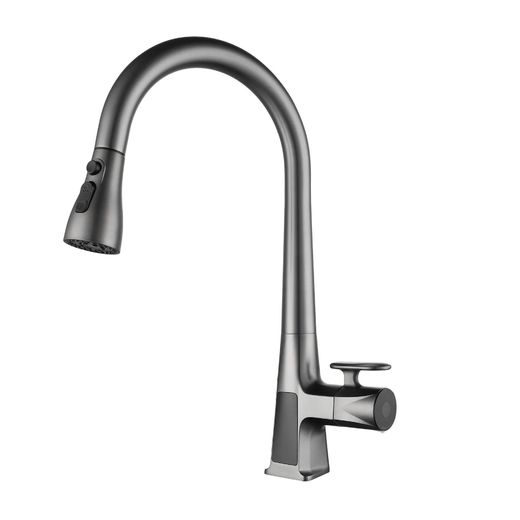
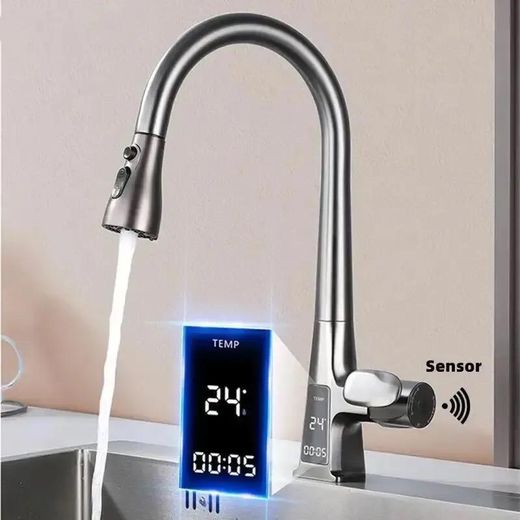


Boutique Luxury kitchen faucet
₦ 280,000


Out of Stock
Learning Starter Kit For Arduino Uno – DIY Robotics & Programming Components
₦ 47,300

Out of Stock
Water Alarm Kits
₦ 216,000


ZKTeco AP104 Wi-fi Alarm Security Kit
₦ 154,000
Low Stock

KEYES Microphone Sound Detection Module
₦ 7,000
Low Stock


Complete STEM Electronics & Robotics Learning Kit- 21 Projects on CDs
₦ 53,590
Low Stock


Out of Stock
Complete Electronics & Robotics Learning Kit – Arduino UNO-Compatible Starter Kit
₦ 58,500


FREE YOUR INNOVATION
₦ 14,950


Upperview 4Channel Wireless Wifi Kit
₦ 170,050
₦ 180,000
-6%


Telemecanique Sensors Twist Release Emergency Stop Mushroom Push Button Switch
₦ 7,125
₦ 7,500
-5%


Out of Stock
RFID SUPER ARDUINO STARTER KIT WITH PROTOSHIELD MINI BOARD
₦ 47,900


Starter Kit for ARD_ UNO R3 official version ATMEGA328P Upgraded version Learning Suite With Components Box
₦ 94,000


Out of Stock
Suitable For UNO R3 Learning Kit Arduino Upgraded Starter Kit
₦ 31,520
₦ 49,800
-37%

Quality 8 channels wireless kit set
₦ 315,000
₦ 400,000
-21%

Quality 4channel wireless kit
₦ 209,000
₦ 400,000
-48%


Complete Kits 4 Way Wireless CCTV Cameras
₦ 190,000
₦ 250,000
-24%

KEYES Button Switch Module
₦ 5,500
Low Stock


Starter pack for Arduino Compatible Robotics & Electronics Learning Kit
₦ 58,530
Low Stock


Upperview 4Channel Wireless Wifi Kit
₦ 220,000
₦ 350,000
-37%


UPGRADED LEARNING KIT FOR BEGINNERS
₦ 55,000
Low Stock


Window & Door Alert Alarm for Protection against Thieves
₦ 6,000
₦ 8,000
-25%


Out of Stock
Arduino RFID Upgrade Kit Super Starter Kit UNO R3 Development Board Tutorial Learning Kit
₦ 49,990


High Quality Window & Door Alert Alarm for Protection against Thieves
₦ 6,175
₦ 6,500
-5%
Frequently Asked Questions About sensor kit
How do I choose the right sensor kit for my project?
Identify your goal and pick the sensor kit that matches it. Consider the sensing type you need (distance, presence, light, sound, or electrical current), the environment, and how you will read and process the data. Check compatibility with your controller (Arduino, ESP32, etc.), required power, and data output (analog vs digital). In this listing, you’ll find ultrasonic, laser, photoelectric, photosensitive resistance, current, proximity, and sound-detection options—select the subset that fits your project.
What is the most complex attribute to consider in a sensor kit, and why does it matter?
The most complex attribute to consider is the sensor's output interface and data format. This determines how measurements are read by your system and how much processing is required. Some sensors deliver analog voltages that need an ADC and calibration, while others use digital interfaces like I2C or SPI or simple on/off signals. Choose a sensor kit whose outputs align with your controller and available libraries, such as ultrasonic or proximity modules for straightforward control or more advanced current and laser modules that demand careful interfacing.
Which sensor kit is best for a beginner versus a pro?
Beginners should start with a simple sensor kit, such as ultrasonic or light/ photoelectric sensors, to learn wiring and basic readings with clear documentation. For pros, a multi-sensor kit that combines proximity, laser, current, and sound modules provides the versatility to design more complex projects. Always verify you can connect to your usual controller and that the kit includes approachable tutorials or libraries.
How do I maintain and ensure compatibility of a sensor kit with my hardware?
Maintainability and compatibility start with proper mounting, clean connections, and correct power levels. Use the right voltage for each sensor, confirm connector types, and rely on standard interfaces where possible. Keep sensors clean from dust or moisture, and check that analog or digital outputs match your microcontroller’s input pins or development platform libraries. This helps ensure reliable readings across items like ultrasonic, proximity, and current sensor modules in the kit.
What should I look for when choosing a sensor kit from different brands like generic, Xbox-branded, or Launch?
Brand variety matters, but prioritize documentation, supported interfaces, and clear electrical specs over name alone. Look for kits with standard outputs (analog or digital) and adapters or libraries for common controllers. In this catalog you’ll see generic sensor kits alongside brand-led options such as Xbox-branded accessories and Launch-branded diagnostic tools; ensure the sensors you choose (ultrasonic, photosensitive, current, or TPMS-related modules) match your needs and available support.
How should I get started with a sensor kit project and what are the first steps?
Define the goal of your project and pick the essential sensors to test first (for example, an ultrasonic or light sensor). Gather a compatible controller, power supply, and basic test code or libraries. Test each sensor individually to verify readings, then gradually integrate them into a single system. Finally, plan for calibration and future expansion, noting environmental factors that can affect sensor performance.